

Visual Meditation: How Looking at Nature Reduces Stress
Category: Wellness & Design
We spend an estimated 90% of our time indoors. We work under fluorescent lights, stare at blue-light emitting screens, and rush through concrete jungles. It is no surprise that modern stress levels are at an all-time high. We often feel "fried" or "burned out," a state psychologists call directed attention fatigue.
But there is a remedy that doesn't require a prescription or a plane ticket to Bali. It’s written into our DNA, and it can be accessed right from your living room wall.
It is the practice of Visual Meditation, utilizing the power of nature imagery to reset the nervous system. At Tranquil Imagery, we believe that beauty isn't just decoration—it is medication.
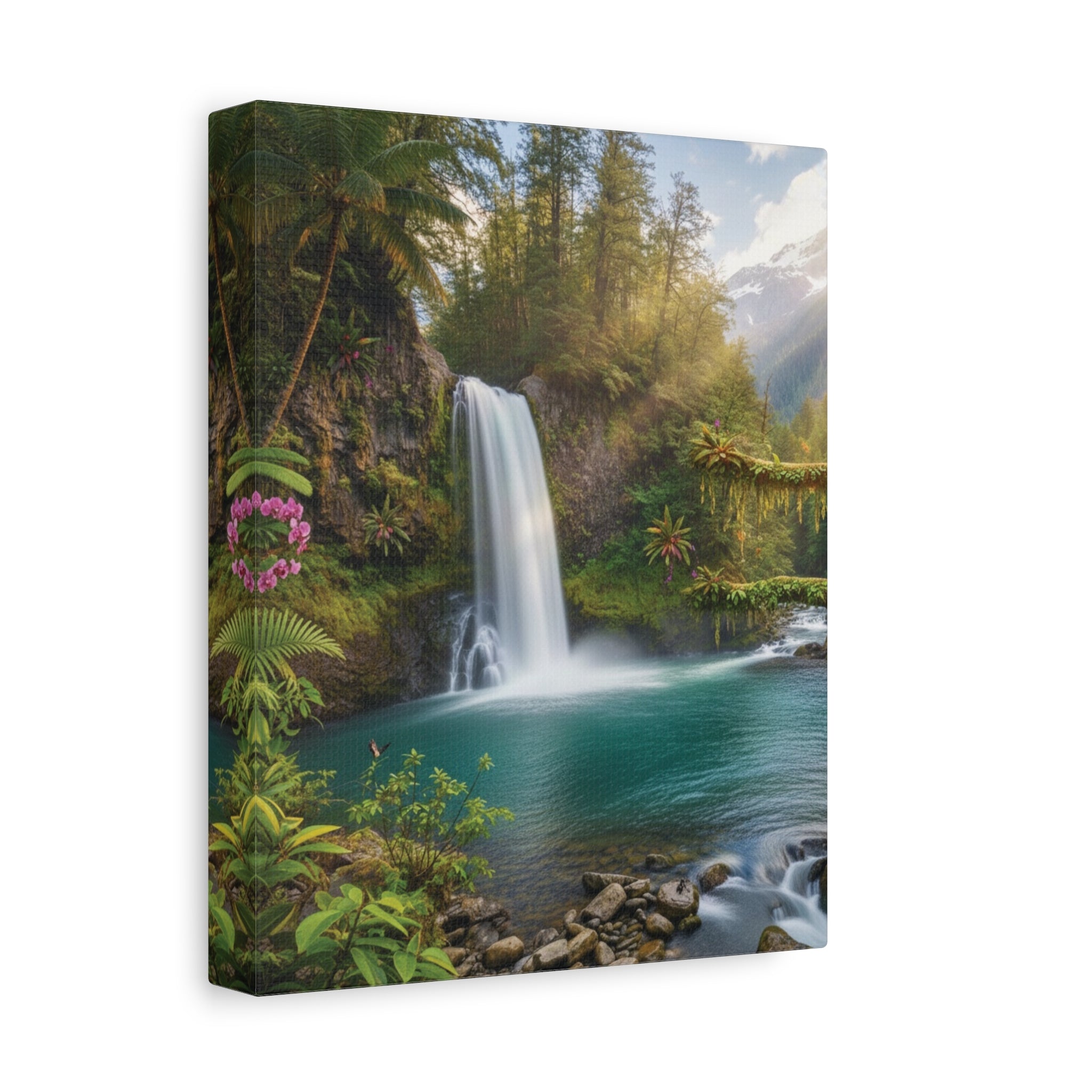
The Science: Why We Crave the View
Have you ever wondered why an ocean view costs more than a parking lot view? Or why we instinctively put plants in our offices?
This is known as the Biophilia Hypothesis. Humans evolved in nature for 99% of our history. We are biologically wired to feel safe, calm, and restored when surrounded by trees, water, and open skies.
In the 1980s, environmental psychologists developed Attention Restoration Theory (ART). They found that urban environments demand "hard focus" (watching for traffic, reading emails), which drains us. Nature, however, induces "soft fascination." Looking at a photograph of a misty forest or a rolling tide grabs our attention effortlessly, allowing the "focus" part of our brain to rest and recharge.
You Don't Have to Be There to Feel It
Here is the most exciting part: Your brain struggles to tell the difference.
Research has shown that looking at high-quality images of nature triggers the same parasympathetic nervous system response as actually being there. Viewing a serene landscape can:
- Lower cortisol (stress hormone) levels.
- Reduce heart rate and blood pressure.
- Improve mood and cognitive focus.
This means that a large canvas print of a mountain range isn't just a pretty object; it is a functional tool for mental health.
How to Practice Visual Meditation (5 Minutes)
You can use the art in your home or a specific image on our website to practice this simple grounding technique.
- Select Your View: Choose an image with depth—a path winding into the woods, a horizon line over the ocean, or a macro shot of a flower.
- Soften Your Gaze: Sit comfortably and look at the image. Don't analyze the lighting or composition. Just let your eyes rest on the center.
-
Engage the Senses: Imagination is key here.
- See the texture of the moss.
- Hear the wind moving through the grass.
- Feel the temperature of the air in the photo.
- Breathe: As you explore the image visually, take slow, deep breaths. Inhale for 4 counts, hold for 4, exhale for 6.
- Return: After a few minutes, notice how your shoulders feel. You should feel a sense of "decompression."
Curating Your Sanctuary
If your home is your sanctuary, what is it telling you? If your walls are blank or cluttered, your mind may reflect that. By intentionally placing tranquil imagery in high-stress areas (like a home office or a bedroom), you create "rest stops" for your eyes throughout the day.
At Tranquil Imagery, we capture these moments specifically for this purpose. We freeze the stillness of the natural world so you can access it whenever you need to take a breath.
Ready to transform your space? Browse our "Canvas Wall Art collection" to find the view that speaks to you.